When my daughter was 11, she started hurting herself.
I didn’t understand it. I didn’t see it coming. And I had no idea what to do.
What followed were the hardest years of my life. While my daughter struggled with self-harm and suicidality through her teens, I struggled to parent her. This wasn’t typical teen behavior. It was something else entirely. I would lie awake at night wondering if she’d make it to adulthood. And then I’d show up to work the next day, leading engineering teams at a well-known global brand, like everything was fine. But nothing was fine.
I felt completely alone. My friends were sympathetic but couldn’t relate. Therapists helped me understand the clinical picture, but I needed something different. I needed someone who had lived this. Someone who had held down a high-pressure job while managing a mental health crisis at home, and had made it through. Someone who could look at me and say: it gets better, and here’s what helped.
I never found that person.
The Hunt for Help
First came the hunt for a therapist. Ever try to find a good therapist who is seeing new patients, works with children, and takes your insurance? Nearly impossible. We cycled through unsuitable therapists, all meeting virtually in those early pandemic days. One held sessions with my child at 9:30pm. Another let her toddler run around in diapers in the background.
We applied to NYU Child Study Center and endured a five-month waiting list. Once we finally got in, we spent three months in traditional therapy before her therapist told us something we didn’t expect: “Your daughter needs more than what I can offer her here.”
The Breakthrough
They recommended the adolescent DBT program at NYU. Dialectical Behavior Therapy is the gold standard treatment for intense emotional dysregulation, self-harm, and suicidality.
The cost was steep and we had to pay it out-of-pocket. I had an honest conversation with my ex-husband: all of the money we’d saved for her college education would be worthless if she didn’t live long enough to go. We agreed it was worth the investment.
But getting her to stay in the program was another battle entirely. She had to participate in a 6-month weekly family skills class with both parents and 5 other families, plus regular therapy sessions. She refused. Every week it took coaxing, pleading, and sheer determination to get her through that door.
It was a long road. There were setbacks—entire weeks when she couldn’t get out of bed, much less go to school. There were moments I wasn’t sure we’d make it.
But gradually, something began to shift. I noticed her using her skills. And slowly, the impossibly hard things became just…hard.
Where We Are Now
In 2025, my daughter turned 18 and went to college. If you’d told me that was possible two years before it happened, I wouldn’t have believed you.
She wrote about her experience with DBT in her college application essay. She described how she went from being the “stubborn one” who ran out of the first session to becoming an advocate for the program. She even volunteered to share her story with graduate students training in DBT.
In her college essay, she wrote:
While my peers focused on traditional academics, I turned my focus to a different kind of education. I studied skills on topics like distress tolerance, mindfulness, emotional regulation, and interpersonal effectiveness. Although this work is not reflected in my GPA, its positive impact on my life has been immeasurable.
She gave me permission to share her story. I share it because I want you to know that while this journey doesn’t end, it can improve. My daughter is okay. So am I.
What once felt impossibly overwhelming has become manageable. It wasn’t because the challenges disappeared, but because we developed the skills to meet them.
If you'd like to keep reading, I publish weekly on Substack: letters from a parent who's been there.
Subscribe on SubstackWhy I Started Help & Hope for Parents
After we came through it, I realized something sobering: there’s a massive shortage of support for parents navigating this kind of crisis. I’d been flying blind for years. And yet, with rising rates of adolescent depression, anxiety, and self-harm, more families need this support than ever.
The numbers tell the story. In the US, the ratio of people who need specialized treatment for severe emotional dysregulation to clinicians trained to provide it is roughly 5,933 to one. If finding help for our kids is nearly impossible, finding support for the parents holding it all together? Even rarer.
What I Believe
I believe that early intervention can truly change a young person’s trajectory. The adolescent brain has a remarkable capacity for growth and healing, and young people have an extraordinary ability to develop new, healthier patterns of thinking and coping.
I believe you can have a positive impact on your child even when they refuse treatment or completely shut you out. You don’t have to feel helpless.
I believe skills matter: practical tools you can use today, tomorrow, and going forward.
I believe isolation is one of the most damaging parts of this experience, and that connection is one of the most powerful antidotes—connection with your own child, and with other parents who’ve been there.
And I believe that your family’s story is only beginning.
There is help. There is hope. You are not alone.
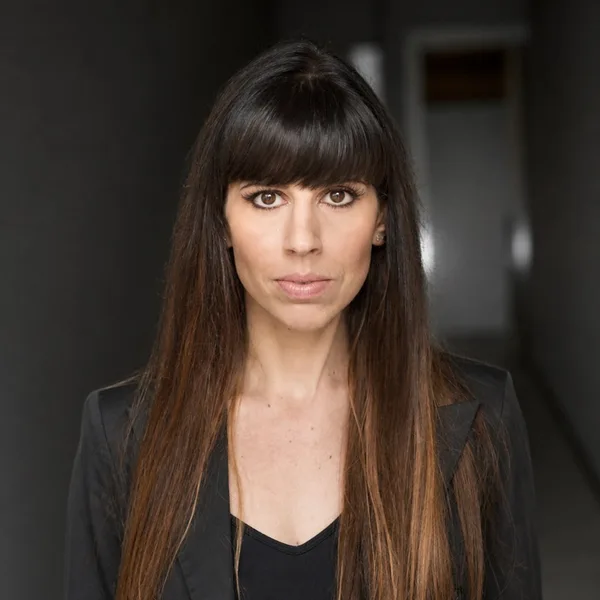
Maya is an ICF-credentialed coach and a Family Connections Leader with the BPD Alliance.



Full credentials & affiliations
- Fractional CTO
- Associate Certified Coach (ACC), International Coaching Federation
- Certificate in Executive Coaching, NYU School of Professional Studies (2025)
- Columbia University, BA Economics / BS Computer Science
- Family Connections Leader, BPD Alliance
- Managing Suicidality & Trauma Recovery Leader (MSTR), BPD Alliance
- Certified Yoga Teacher RYT-200 (2010)
- Certified Vedic Meditation Teacher (2017), Co-Founder of The Spring Meditation
- Nationally Board-Certified Structural Integrator (BCSI, HWI)
- Fascia Research Society (FRS) member
Last reviewed: May 2026